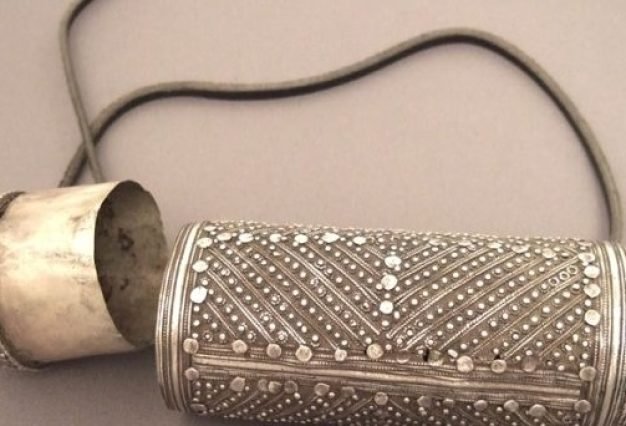
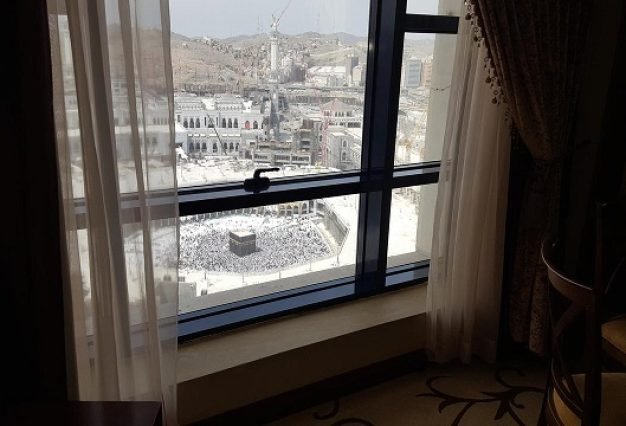
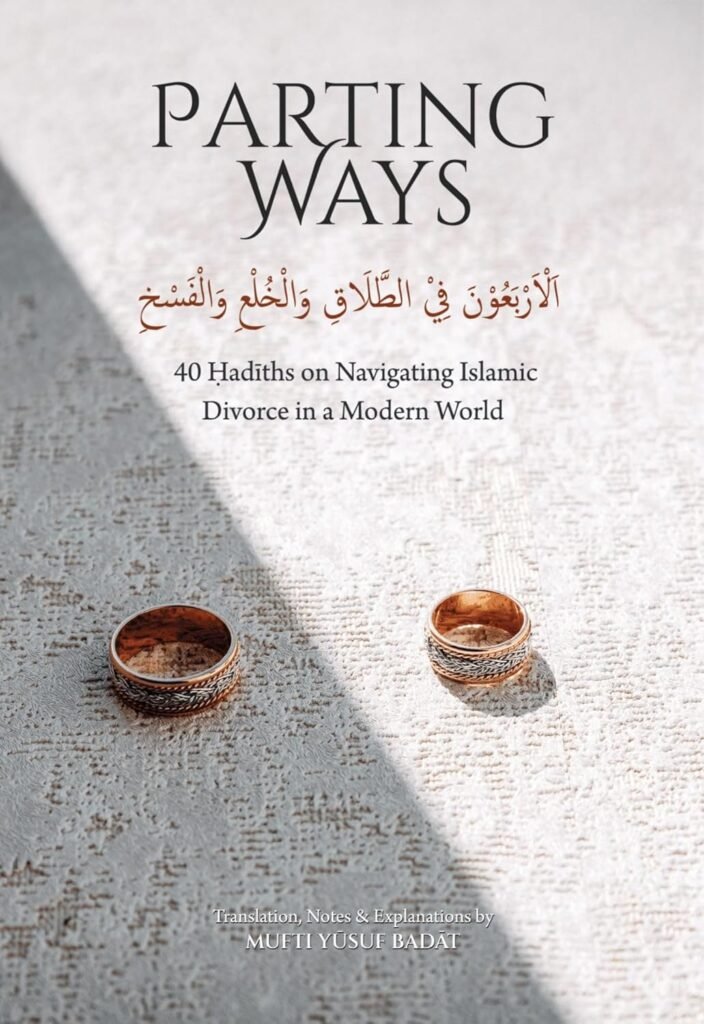
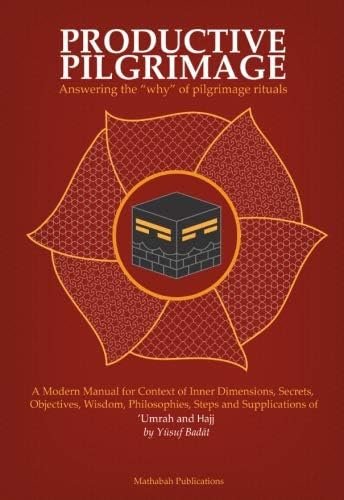
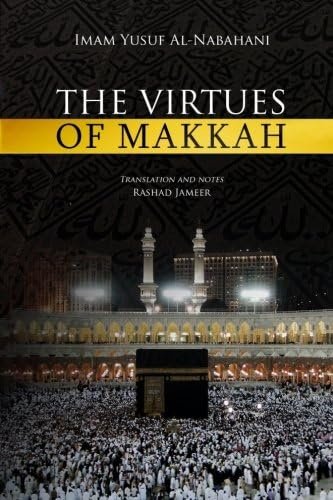
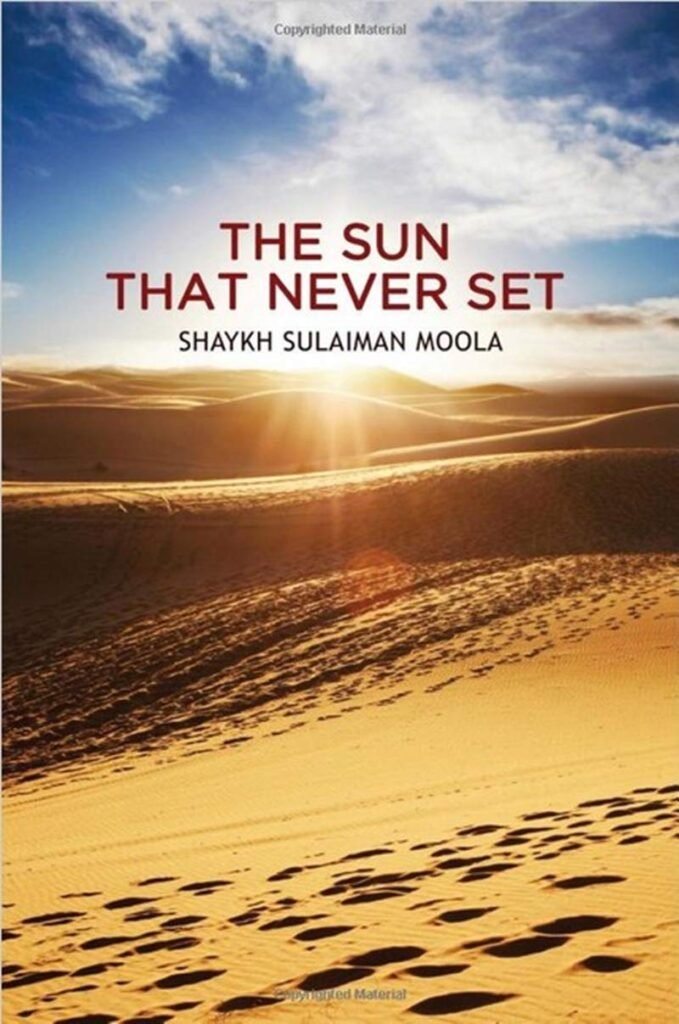
Authentic Islamic Learning, Courses & Trusted Q&A View Programs Search for Answers Read Articles Mathabah Publications Mathabah Events Rooted in tradition. Relevant today. View Programs Ask A Question Your Questions Answered by Qualified Scholars Search Search Q&A - Wealth Purification Inheritance for Mother and Siblings Q&A - Social Matters, Q&A - Wealth Purification Is Love of Worldly Things a Sin? Q&A - Beliefs, Q&A - Miscellaneous, Q&A - Prayer Are Amulets (ta’awīdh) Permitted in Islam? Q&A - Social Matters Can Males Dye Their Hair Blue or Red? Q&A - Marriage & Divorce A Marriage Forced by Parents Q&A - Wealth Purification The Islamic Validity of Drop-shipping Q&A - Miscellaneous, Q&A - Prayer, Q&A - Social Matters, Q&A - Wealth Purification Remuneration for Rendering Islamic Services Q&A - Marriage & Divorce The Rules of ‘Iddah Summarized Q&A - Marriage & Divorce In a Sexless Marriage Q&A - Miscellaneous, Q&A - Prayer, Q&A - Social Matters Saying Thank You with Jazākum Allāh Khayran (جزاك اللهُ خيراً) Q&A - Prayer Making up Deliberately Missed Mandatory Prayers Q&A - Beliefs, Q&A - Miscellaneous Do Animals Go To Paradise After They Die? Q&A - Marriage & Divorce Three Pronouncements of Divorce and Insanity Q&A - Beliefs, Q&A - Miscellaneous, Q&A - Social Matters Integration Between Martial Arts Code of Honour and Policies with Islamic Ruling Q&A - Pilgrimage, Q&A - Prayer Joining the Congregational Prayers from My Hotel Room in Makkah Jurisprudence, Q&A - Prayer The Path of the Sun and Prayer Times (Info-Graphic) Q&A - Diet Alcohol in Common Food Items Q&A - Wealth Purification Zakāh for an Inmate Relative Q&A - Miscellaneous, Q&A - Social Matters, Q&A - Wealth Purification What is the Islamic Status for Dental Composite Bonding and Veneers? Q&A - Marriage & Divorce Consummation of Marriage with or without Intercourse Knowledge. Inspiration. Tradition. Welcome to Mathabah Authentic knowledge and student-centered learning guide everything we do at Mathabah. Learning at Mathabah Certification Programs Level 1 - Islamic Essentials Certification Programme The Islamic Essentials Certification Programme provides systematic theoretical and practical instruction in the foundational disciplines of Islam. Level 2 – Specialised Certification Programmes Upon successful completion of Level 1, students who wish to advance their Islamic studies may enrol in one of four specialised certification pathways. View all Programs & Register Certification programmes at Mathabah are structured to ensure intellectual rigour, spiritual development. Successful completion results in formal certification. Enroll Now Starts April 7th Mathabah Books Mathabah Publications Parting Ways Productive Pilgrimage Virtues of Makkah Plan Your Day the Prophet's Way Echoes From the Cave Ten Lessons of Arabic The First Steps in Practising Islam The Sun That Never Set View All Books Social Media Watch & Follow Follow Us: Facebook Instagram X-twitter Youtube Mathabah Where Knowledge Meets Purpose. Learn More About Us Team Get to know the incredible individuals behind our company Our people Become part of our team Articles Valuable insights that empower your decision-making Subscribe to our monthly insights